
What Is HPV Testing In Singapore And Why Is HPV Vaccination Important?
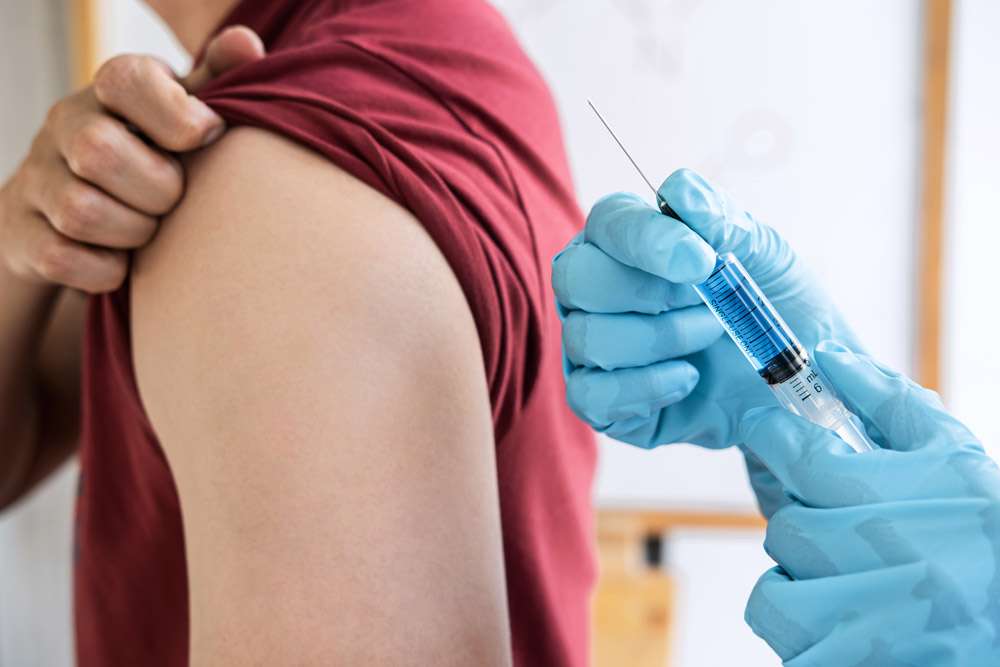
Human Papillomavirus (HPV) is a common sexually transmitted infection that affects both men and women, often without noticeable symptoms. While many HPV infections resolve on their own, some types can lead to health complications such as genital warts and, in certain cases, cervical or other HPV-related cancers.
Regular HPV testing plays a valuable role in identifying high-risk strains early, supporting timely medical follow-up and reducing the risk of long-term complications. Vaccination also serves as a beneficial preventive measure by helping the body build protection against the most harmful strains of the virus.
At Wonderhealth Screeners, we offer HPV testing and vaccination services in a safe, discreet, and supportive environment. Our team is committed to providing accurate information and dependable care, helping you make informed choices about your sexual health.
What Is HPV And Why Is It A Concern?
Human Papillomavirus (HPV) refers to a large group of viruses, with more than 200 identified types. HPV is primarily spread through intimate skin-to-skin contact, including vaginal, anal, and oral sex. Because many individuals with HPV do not show symptoms, it can be unknowingly transmitted between partners.
HPV is generally categorised into low-risk and high-risk types. Low-risk types may cause conditions such as genital warts, which are non-cancerous but can affect one’s comfort and confidence. High-risk types, on the other hand, are linked to several types of cancer. These include:
- Cervical cancer
- Anal cancer
- Penile cancer
- Vaginal and vulvar cancers
- Oropharyngeal (throat) cancer
Persistent infection with high-risk HPV types, particularly types 16 and 18, has been strongly associated with the development of cervical cancer. This is why regular screening and vaccination play a meaningful role in safeguarding long-term health.
High-Risk vs. Low-Risk HPV Types
High-Risk HPV
Types 16 and 18 are responsible for approximately 70% of cervical cancer cases.
Low-Risk HPV
Types 6 and 11 cause 90% of genital warts but do not lead to cancer.
How Is HPV Transmitted?
HPV is primarily transmitted through direct skin-to-skin contact during sexual activity. This includes:
Vaginal, anal, or oral sex with an infected person
Non-penetrative sexual contact
Even individuals with no visible symptoms can transmit HPV, making regular HPV tests essential for sexually active individuals.
What Are The Symptoms Of HPV?
In many cases, Human Papillomavirus (HPV) infections do not cause any noticeable symptoms and may resolve on their own over time. However, certain types of HPV can lead to visible or detectable changes in the body, depending on the strain involved and the area affected.
Genital Warts:
Some low-risk types of HPV can cause genital warts, which may appear as:
- Small bumps or growths on the genital, anal, or nearby skin
- Flat, raised, or cauliflower-like formations
- Single or multiple lesions that vary in size
Genital warts may be painless but can cause discomfort, itching, or irritation in some individuals.
Precancerous Changes:
High-risk HPV types are associated with changes in the cells of the cervix and other areas. These changes usually do not produce symptoms in the early stages and are often only detected through routine screening such as a Pap smear.
In some cases, if left unmonitored, these changes can progress over time and may lead to more advanced conditions.
Because symptoms may be absent or subtle, regular screening plays a meaningful role in identifying HPV-related issues early.
Individuals who observe any unusual growths, skin changes, or experience persistent discomfort in the genital area are encouraged to seek professional medical advice for further assessment.
3 HPV Complications That You Need To Know
While many HPV infections clear without causing long-term issues, certain types of the virus can lead to health complications. Understanding these risks supports informed decision-making about screening and preventive care.
Cervical Cancer
High-risk strains of HPV, particularly types 16 and 18, have been associated with cervical cancer. These types can cause changes in cervical cells that, over time, may develop into cancer if left undetected.
Routine screenings, such as Pap smears and HPV DNA testing, are valuable in identifying these changes early and guiding further medical evaluation or management.
Genital Warts
Caused by low-risk HPV types, genital warts are non-cancerous growths that appear on the genital or anal areas. Although not life-threatening, they can cause discomfort, itching, or emotional distress.
Treatment options may include topical therapies, cryotherapy (freezing), or minor surgical procedures, depending on the severity and location of the warts.
Other Cancers
HPV has also been linked to several other types of cancer, including those of the anus, penis, vulva, vagina, and oropharynx (throat, including the base of the tongue and tonsils).
These cancers are generally associated with persistent infection by high-risk HPV types. As with cervical cancer, early detection through appropriate health checks can support timely intervention and improve the management process.
3 HPV Preventions That Can Help Protect Your Long-Term Health
Taking proactive steps can help reduce the risk of HPV infection and its related health complications. Below are three widely recognized prevention methods that support long-term sexual health and well-being.
1. HPV Vaccination
The HPV vaccine is a medically approved method of protection against the most common high-risk and low-risk strains of the virus. It is recommended for:
- Boys and girls aged 9 to 26
- Unvaccinated adults up to age 45 (subject to medical consultation)
The vaccine is typically administered in two or three doses, depending on the individual’s age at the start of vaccination.
Completing the full vaccination schedule is recommended to achieve the intended level of protection. Individuals are encouraged to consult their healthcare provider to determine if vaccination is suitable for them.
2. Regular Screening
For women, routine cervical screening plays a key role in detecting early changes in cervical cells before they develop into more serious conditions. Two common screening tests include:
- Pap Smear – Identifies abnormal cells on the cervix
- HPV DNA Test – Detects the presence of high-risk HPV types
These tests can be performed separately or together as part of a co-testing approach. Regular screening, based on age and medical advice, supports early identification and timely follow-up where necessary.
3. Safe Sexual Practices
Reducing exposure to HPV can also be supported through safer sexual practices. These include:
- Using condoms consistently and correctly during sexual activity
- Limiting the number of sexual partners
- Avoiding intimate contact with individuals who have visible symptoms, such as genital warts
While these practices may not eliminate the risk of transmission entirely, they can lower the likelihood of exposure to the virus.
2 Types Of HPV Screening Tests Offered In Singapore
HPV screening plays a meaningful role in identifying the presence of high-risk strains of the virus that may lead to cervical or other HPV-related conditions. In Singapore, several types of screening tests are available, each designed to detect different aspects of the virus.
These tests are carried out in accordance with guidelines from the Ministry of Health (MOH) and processed through accredited laboratories for accurate and reliable results.
1. HPV DNA Test
The HPV DNA test is a molecular test that detects the genetic material of high-risk HPV strains in cervical cells.
It is commonly recommended for women aged 30 and above and is often used to assess the risk of developing cervical abnormalities. This test helps identify persistent infections even in the absence of visible symptoms or abnormal cellular changes.
2. Co-Testing With Pap Smear
Co-testing involves conducting both a Pap smear and an HPV DNA test during the same screening session. The Pap smear examines cervical cells under a microscope to check for abnormalities, while the HPV DNA test identifies the presence of high-risk HPV types.
Co-testing provides a more comprehensive view of a patient’s cervical health and is often used for routine screening in eligible age groups.
HPV Screening And Diagnosis
Screening is the cornerstone of HPV-related cancer prevention. Here’s what you can expect during an HPV screening at Wonderhealth Screeners:
Pap Smear: A sample of cervical cells is collected and examined for abnormalities.
HPV DNA Test: This test detects high-risk HPV strains in cervical cells.
If abnormal results are detected, our experienced medical team will guide you through the next steps, including colposcopy or biopsy if necessary.
When Should You Get Screened?
- Women aged 25 to 29: Pap smear every 3 years
- Women aged 30 to 65: Pap smear and HPV test every 5 years
- Men and women with high-risk factors: Consult a healthcare provider for personalized screening recommendations.
HPV Treatment Options
While there is no cure for HPV itself, treatments are available for the conditions it causes:
Genital Warts: Topical treatments, cryotherapy, or surgical removal
Precancerous Lesions: Procedures like LEEP (Loop Electrosurgical Excision Procedure) or cryosurgery
Cervical Cancer: Depending on the stage, treatment may involve surgery, radiation, and chemotherapy
Our doctors at Wonderhealth Screeners provide personalized care plans based on your specific diagnosis.
4 Reasons Why You Should Choose Wonderhealth Screeners For HPV Screening?

Confidential And Professional Care
Seeking screening for HPV and other sexually transmitted infections can be a personal and sensitive matter. At Wonderhealth, patient confidentiality is prioritized, and all consultations and procedures are conducted in a respectful and private setting.
Our clinic environment is designed to support your comfort and peace of mind throughout the visit.

Experienced Medical Team
Our healthcare professionals have experience in sexual health screening, including HPV testing and preventive care. Consultations are guided by current clinical guidelines, and our team ensures that patients receive clear explanations and appropriate recommendations based on their results.

Comprehensive Screening Packages
We offer a range of screening services, including the HPV DNA test and co-testing with Pap smears. These options are available individually or as part of broader screening packages, allowing us to support a variety of patient needs.
Our team will help determine the most suitable test based on your age, medical history, and risk profile.

Convenient Booking
Appointments can be booked through our 24-hour hotline, offering flexibility for busy schedules. Subject to availability, same-day or next-day appointments may be arranged to provide timely access to care.
HPV Vaccination: Why It’s Essential
The 9-valent HPV vaccine (GARDASIL9) protects against HPV types 6, 11, 16, 18, 31, 33, 45, 52, and 58. It is highly effective in preventing:
- Cervical, vaginal, and vulvar cancers
- Anal cancer
- Genital warts
- Precancerous lesions in the cervix, vulva, vagina, and anus
Even if you are already sexually active, the HPV vaccine can protect you from strains you haven’t been exposed to.
Who Should Get The HPV Screening And Vaccine?
- Recommended Age: Boys and girls, men and women between 9 to 26 years old.
- Vaccination is most effective before sexual activity begins, but it is still beneficial for sexually active individuals.
HPV Vaccination Schedule
The 9-valent HPV vaccine (GARDASIL9) is administered in 3 doses:
- First Dose: On a date chosen with your doctor.
- Second Dose: 1-2 months after the first dose.
- Third Dose: 3-4 months after the second dose.
To receive the full benefits, it’s important to complete all three doses. If you miss a dose, our healthcare team will guide you on when to reschedule.
HPV Vaccination Cost In Singapore
At Wonderhealth Screeners, we offer competitive HPV vaccination pricing in Singapore:
HPV Vaccine
SGD $285 per dose (GARDASIL®️9) or SGD $850 for a complete package of three doses (before GST)
Frequently Asked Questions About HPV And HPV Vaccination
Can HPV Be Cured?
There is no cure for the virus itself, but the body often clears the infection on its own. Treatment focuses on managing symptoms and preventing complications.
Can Men Get HPV?
Yes, men can get HPV and may develop genital warts or HPV-related cancers. Vaccination is recommended for boys and men to prevent infection.
What Is HPV, And Why Is It Important To Get Vaccinated?
HPV (Human Papillomavirus) is a common virus that can cause genital warts and certain cancers, including cervical, anal, and vaginal cancers. The 9-valent HPV vaccine (Gardasil 9) protects against the most harmful HPV strains, helping to prevent these conditions before they develop.
Who Should Get The HPV Vaccine?
The HPV vaccine (Gardasil 9) is recommended for boys and girls, men and women aged 9 to 26. It works best before sexual activity begins but is still effective for individuals who are already sexually active.
How Effective Is The HPV Vaccine?
What Is The HPV Vaccination Schedule?
The HPV vaccine (Gardasil 9) is given in 3 doses over a period of 6 months:
- First Dose: On a date of your choice.
- Second Dose: 1-2 months after the first dose.
- Third Dose: 3-4 months after the second dose.
Is The HPV Vaccine Safe?
Yes, the HPV vaccine (Gardasil 9) has been extensively tested for safety and effectiveness. Side effects, if any, are mild and may include temporary soreness at the injection site, fever, or fatigue.
Does Using Condoms Protect Against HPV Infection?
While condoms reduce the risk of HPV transmission, they do not provide 100% protection since HPV can infect skin not covered by condoms. Vaccination (Gardasil 9) remains the most effective prevention method.
Can I Still Get Vaccinated If I Am Already Sexually Active?
Yes, even if you are sexually active, the HPV vaccine (Gardasil 9) can protect you from HPV strains you haven’t been exposed to. It is still highly recommended.
Does The HPV Vaccine Protect Against All Types Of HPV?
The 9-valent HPV (Gardasil 9) vaccine protects against 9 high-risk and low-risk strains that are most commonly linked to HPV-related diseases, including HPV types 6, 11, 16, 18, 31, 33, 45, 52, and 58.