
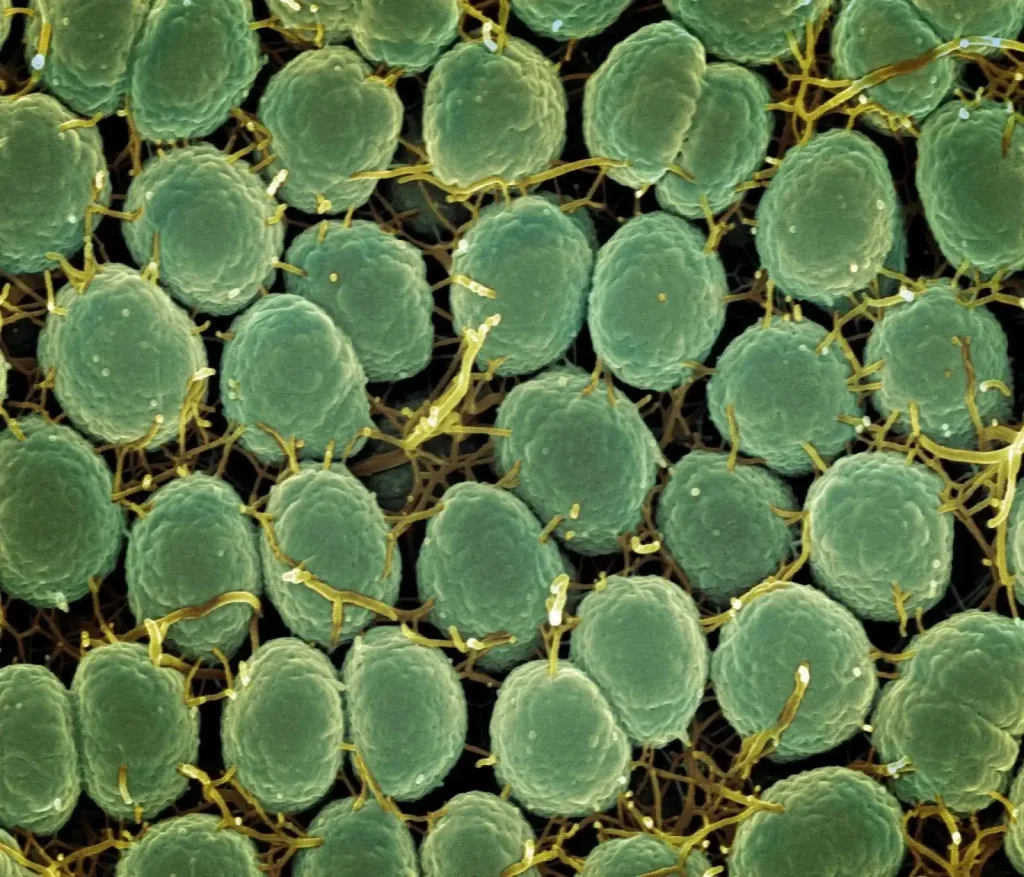
Oral and genital herpes are common conditions caused by the herpes simplex virus (HSV). While they typically affect different parts of the body, there is a significant overlap between them. Oral herpes usually appears as cold sores around the mouth, while genital herpes involves sores in the genital area.
Understanding their distinct causes, symptoms, and methods of transmission is essential for managing your sexual health. This article provides a clear, objective comparison to help you make informed decisions and know when to seek professional medical advice.
The Herpes Simplex Virus: HSV-1 and HSV-2 Explained
The root cause of both oral and genital herpes is the herpes simplex virus, a common virus that infects the skin and nervous system. There are two main types of this virus, and while they have traditional associations, their effects can overlap.
HSV-1 (Herpes Simplex Virus Type 1) is the type most commonly associated with oral herpes. It often causes cold sores or fever blisters to appear on the lips and around the mouth. Most people are exposed to HSV-1 during childhood through non-sexual contact, like a kiss from a family member.
HSV-2 (Herpes Simplex Virus Type 2) is the type most commonly associated with genital herpes. It is almost always transmitted through sexual contact and causes sores on or around the genital and anal areas.
A crucial point to understand is that these traditional locations are no longer definite. HSV-1 can cause a genital infection through oral-genital contact (oral sex), and while less common, HSV-2 can cause an oral infection. Therefore, the location of the sores does not always indicate the type of virus. A medical diagnosis is needed to determine the specific type of virus causing the infection.
Comparing Symptoms: Oral Herpes vs. Genital Herpes
The initial or primary outbreak of herpes is often the most severe. Before sores appear, a person might experience what are known as prodromal symptoms, which can include a tingling, itching, or burning sensation in the affected area. After this stage, blisters form, which then break to become open sores. These sores will eventually crust over and heal without scarring. Recurrent outbreaks are common, but they are typically shorter and less severe than the first one.
Symptoms of Oral Herpes
Oral herpes, most frequently caused by HSV-1, presents with symptoms that are often visible on the face. The primary location for these sores is on the lips, around the mouth, and sometimes on the nose or cheeks. These are commonly known as cold sores or fever blisters.
During a first outbreak, other symptoms can accompany the sores, such as fever, muscle aches, a sore throat, and swollen lymph nodes in the neck. For many people, the initial infection is mild or does not produce any noticeable symptoms at all. Subsequent outbreaks usually just involve the sores themselves and are often triggered by factors like stress, illness, fatigue, or sun exposure.
Symptoms of Genital Herpes
Genital herpes can be caused by either HSV-2 or HSV-1. The symptoms appear in the genital or anal areas. For many individuals, the symptoms can be very mild and easily mistaken for other conditions like an insect bite, pimples, or ingrown hairs. This is why many people with genital herpes are not aware they have it.
The sores appear on the penis, scrotum, buttocks, or around the anus in men. In women, sores can appear on the vulva, buttocks, around the anus, or inside the vagina on the cervix. Internal sores on the cervix can be painless and may go unnoticed.
The first genital herpes outbreak can also be accompanied by flu-like symptoms, including fever, headache, body aches, and swollen lymph nodes in the groin. Pain or difficulty with urination is also a common symptom during a primary outbreak. Recurrent outbreaks are usually confined to the genital sores and are less painful. Genital herpes caused by HSV-1 tends to recur less frequently than genital herpes caused by HSV-2.
How Herpes is Transmitted
Herpes is transmitted through direct skin-to-skin contact with an infected area. The virus is most contagious when sores or blisters are present. However, it can also be transmitted when there are no visible symptoms.
This is known as asymptomatic viral shedding, where the virus is active on the skin’s surface without causing any signs of an outbreak. This is a common way for the virus to spread because the infected person may not know they are contagious.
Transmission of Oral Herpes
Oral herpes is very contagious and is commonly spread through direct contact with a sore or the saliva of an infected person. Common methods of transmission include kissing, sharing drinking glasses, eating utensils, toothbrushes, or towels.
An individual with oral herpes can also transmit the virus from their mouth to their own fingers (herpetic whitlow) or eyes. Importantly, HSV-1 can be transmitted from the mouth to a partner’s genitals during oral sex, resulting in a new genital herpes infection.
Transmission of Genital Herpes
Genital herpes is primarily a sexually transmitted disease (STD). It is spread through vaginal, anal, or oral sex with someone who has the virus. The virus can be transmitted by making contact with the skin, sores, or fluids of an infected person.
Because the virus can be shed asymptomatically, it is possible to get genital herpes from a partner who has no visible sores. Using condoms can reduce the risk of transmission, but it does not eliminate it completely, as herpes sores can occur in areas not covered by a condom.
Diagnosis Process for Herpes in Singapore
Self-diagnosing based on symptoms can be unreliable, as herpes can be mistaken for many other skin conditions. For an accurate diagnosis and appropriate advice, it is important to consult a healthcare professional.
When to See a Doctor
You should schedule a visit with a doctor if you notice any blisters, sores, or unusual symptoms in your oral or genital area. Getting a diagnosis is the first step towards managing the condition effectively and taking steps to protect your sexual partners. If your partner has been diagnosed with herpes, it is also a good idea to get tested, even if you do not have symptoms.
Diagnostic Tests Available
In Singapore, doctors use reliable tests to confirm a herpes diagnosis. The most suitable test depends on whether you have active sores.
- Swab Test (PCR Test): This is the most accurate and preferred method if you have visible sores. The doctor will use a sterile swab to gently collect a fluid sample from a fresh blister or sore. The sample is then sent to a laboratory for a Polymerase Chain Reaction (PCR) test, which detects the genetic material (DNA) of the herpes virus. This test can also accurately identify the virus type, whether it is HSV-1 or HSV-2.
- Blood Test (Serology): A blood test can be used if you do not have any active sores but are concerned you may have been exposed to the virus. This test does not look for the virus itself but for antibodies that your immune system produces to fight the virus. It can take from a few weeks to a few months after the initial infection for your body to develop detectable antibodies, so the timing of the test is important. A blood test can also differentiate between HSV-1 and HSV-2 antibodies.
Managing and Treating Herpes

While there is no cure for herpes, the virus can be managed very effectively with medical treatment. The goal of treatment is to shorten the duration of outbreaks, reduce their frequency, and minimise the risk of transmission to others.
Antiviral Medications
The primary treatment for both oral and genital herpes is antiviral medication. A doctor can prescribe medicines such as acyclovir, famciclovir, or valacyclovir. These medications work by preventing the virus from multiplying. They are most effective when started as soon as possible after an outbreak begins. There are two main approaches to using these medications:
- Episodic Therapy: This involves taking the antiviral medication for a few days as soon as you feel the first signs of an outbreak (like tingling or itching). This can help the sores heal faster and reduce the severity of the symptoms.
- Suppressive Therapy: This approach involves taking a low dose of antiviral medication every day. Suppressive therapy is recommended for individuals who experience frequent or severe outbreaks. Taking a daily antiviral can significantly reduce the number of outbreaks and also lowers the risk of asymptomatic shedding, which in turn reduces the risk of transmitting the virus to a partner.
Home Care and Symptom Relief
During an outbreak, there are simple steps you can take to manage discomfort and promote healing. For genital herpes, you can keep the affected area clean and dry to prevent secondary infections. Wearing loose-fitting cotton underwear can also help reduce irritation. A cool compress applied to the sores may provide some relief. For both oral and genital herpes, avoiding touching or picking at the sores will help them heal faster and prevent the virus from spreading to other parts of your body.
Prevention and Reducing Transmission Risk
Taking practical steps can help manage herpes and significantly reduce the risk of passing it on to a partner. Openness and communication are key components of prevention.
For Oral Herpes
If you have an active cold sore, it is important to avoid close physical contact that could spread the virus. This includes avoiding kissing and sharing personal items like cups, cutlery, or lip balm until the sore has completely healed. To prevent transmitting HSV-1 to a partner’s genitals, you should not perform oral sex when you have an active oral herpes outbreak.
For Genital Herpes
You should avoid all sexual contact from the moment you feel the first signs of an outbreak (prodromal symptoms) until the sores have fully healed over. Between outbreaks, using condoms consistently and correctly during sexual activity can reduce the risk of transmission.
However, as condoms do not cover all areas where sores can appear (like the scrotum or buttocks), they are not 100% effective. For individuals in a relationship, discussing suppressive therapy with a doctor is a valuable option, as it has been shown to lower the risk of transmission to an uninfected partner.
The Importance of Communication
Having an open and honest conversation with your sexual partner(s) about STDs is a fundamental aspect of sexual health. If you have been diagnosed with herpes, informing your partner allows both of you to make informed decisions about your sexual activity and the steps you can take together to reduce the risk of transmission. This conversation can help build trust and ensure that both partners feel safe and respected.
Conclusion On Genital vs. Oral Herpes
In summary, genital and oral herpes are caused by two related but distinct viruses, HSV-1 and HSV-2. While HSV-1 is the common cause of oral herpes and HSV-2 the common cause of genital herpes, this distinction is not absolute due to practices like oral sex.
The main difference between the two conditions is the location of the symptoms. Both are manageable long-term conditions, and effective treatments are available to reduce the frequency and severity of outbreaks. Understanding the facts about herpes is the best way to manage your health and protect your partners. For anyone experiencing symptoms, seeking a professional medical diagnosis is the most important step.
At Wonderhealth Screeners, our experienced team of healthcare professionals specialises in diagnosing and treating sexually transmitted diseases. From STD testing to personalised treatment plans, we deliver accurate and reliable care tailored to your needs.
Frequently Asked Questions About Genital And Oral Herpes
Can You Get Genital Herpes From Someone With Oral Herpes?
Yes, this is a common way for genital herpes to be transmitted. If a person with oral herpes (a cold sore, usually caused by HSV-1) performs oral sex on a partner, the virus can be passed to the partner’s genital area, causing a new genital herpes infection.
Is Oral or Genital Herpes Worse?
Medically, one is not considered “worse” than the other, as both are manageable viral infections. The experience can vary greatly from person to person. However, there can be a greater social stigma associated with genital herpes. It is worth noting that genital herpes outbreaks caused by HSV-1 tend to be milder and recur much less often than genital herpes outbreaks caused by HSV-2.
How Can You Tell the Difference Between Oral and Genital Herpes?
The primary difference is the location of the sores—around the mouth and lips for oral herpes, and in the genital or anal region for genital herpes. However, because both HSV-1 and HSV-2 can cause sores in either location, the only way to know for sure is through a medical diagnosis. A doctor can perform a swab test on a sore or a blood test to confirm the presence of the virus and determine its type.
Can HSV-1 Turn Into HSV-2?
No, HSV-1 and HSV-2 are two separate and distinct types of the herpes virus. An HSV-1 infection cannot change or transform into an HSV-2 infection. It is possible for a person to become infected with both types of the virus, but they would remain separate infections.
Do I Have to Tell My Partner I Have Oral Herpes?
Open communication with sexual partners is always recommended for maintaining good sexual health. Because oral herpes (HSV-1) can be easily transmitted to a partner’s genitals through oral sex, telling your partner allows them to make an informed choice and helps you both take steps to prevent transmission.
How Long Can You Have Herpes Without Knowing?
A person can have the herpes virus for many years without knowing it. Many people infected with HSV are asymptomatic, which means they either have no symptoms or their symptoms are so mild that they are not noticed or are mistaken for something else. The virus can lie dormant in the nerve cells for a long time before potentially causing a first noticeable outbreak.

